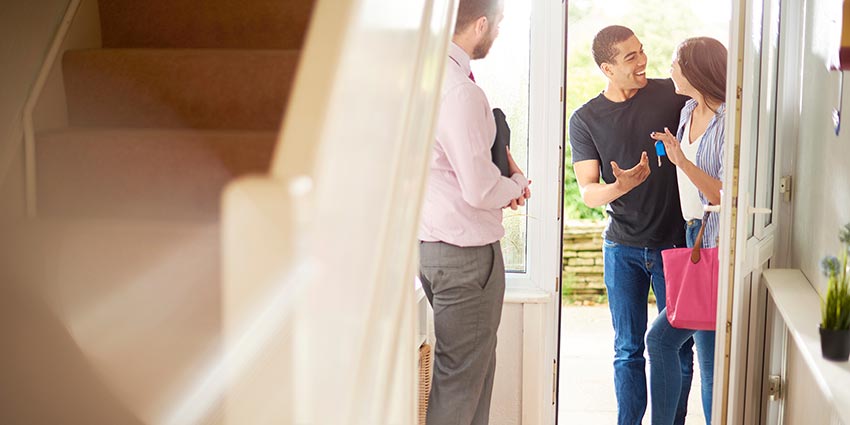

When the seller is home during a showing, things can feel a little awkward. Your buyer may stop talking, rush through the house, or avoid opening closets and taking the closer look they normally would.
Sometimes you know ahead of time that the seller will be there. Other times, you walk through the front door and find someone sitting in the living room.
Either way, you can still have a productive showing.
Don’t Make It a Bigger Deal Than It Is
If you arrive and the seller is home, introduce yourself and keep things friendly. You don’t need to immediately ask them why they’re there or make the situation uncomfortable.
The seller may work from home, have trouble leaving the property, or simply have misunderstood the showing time.
If they give you and your buyer some space, continue with the showing.
Give Your Buyer a Heads-Up
If you know the seller will be home before you arrive, tell your buyer.
Something as simple as, “Just so you know, the seller will be there while we’re looking at the house,” is enough.
Now they aren’t surprised when someone answers the door. You can also let your buyer know that you can talk more openly about the property once you’re outside.
That can be especially helpful if you know your buyer likes to discuss every room while you’re walking through it.
Save Some Conversations for Later
Your buyer walks into the kitchen and whispers: “I hate these cabinets.”
Probably not the best time to have a ten-minute conversation about replacing the kitchen.
When the seller is nearby, keep the showing focused on looking at the property. Your buyer can still ask questions, but conversations about price, potential offers, what they dislike, or what they would change can wait.
Once you’re back outside or in the car, ask what they thought. They’ll probably be much more comfortable talking then.
Don’t Let the Seller Take Over the Showing
Some sellers will say hello and give you plenty of space. Others may decide they’re going to give your buyer the full tour.
They might start explaining the new water heater, showing them every closet, talking about the neighbors, and telling the story behind every improvement they’ve made over the past 15 years.
Be polite, but remember that you’re there with your buyer. If the seller is following you from room to room, you can say something like:
“Thanks for the information. We’re going to take a few minutes and walk through the rest of the home.”
Sometimes that’s enough to give your buyer a little breathing room.
Don’t Start Negotiating With the Seller
This is an important one. A seller may casually ask your buyer, “So, what do you think?”
Or they may turn to you and say, “We’re definitely willing to negotiate.” Do not turn the showing into a negotiation.
Keep the conversation friendly and let the seller know you’ll communicate through their agent if your buyer has questions or wants to move forward.
The listing agent represents the seller, and that’s who you should be working with on anything related to an offer or negotiation.
What If Your Buyer Starts Asking the Seller Questions?
Buyers are always curious, and if the seller is standing there, your buyer may start asking:
- “Why are you moving?”
- “How much is your electric bill?”
- “Have you had any problems with the roof?”
Some questions may lead to useful information, but you don’t want your buyer relying on an informal conversation when there’s information that should be confirmed another way.
Listen to what’s being said and make a note of anything worth following up on.
Later, you can go back to the listing agent or the appropriate documents and get the information your buyer needs.
Take Your Time
Your buyer shouldn’t feel like they need to leave after five minutes just because the seller is home.
If they want another look at the primary bedroom, go back. If they want to see the backyard again, take another look.
You scheduled the appointment for a reason.
At the same time, pay attention to your buyer. If they’re clearly uncomfortable and aren’t really looking at the property anymore, you can always finish the showing and talk outside.
If they’re seriously interested, you may even decide to schedule another visit when the seller can leave.
Talk About the House Once You’re Outside
Once you’ve left the property, give your buyer a chance to talk freely and ask, “What did you think?”
You may find out they liked the house but felt uncomfortable saying much while the seller was there.
If they’re interested, talk about what they’d like to know before making a decision. If they aren’t interested, ask what didn’t work for them and use that information for the next showing.
A seller being home shouldn’t stop you from having the same conversation you normally would. You may just have it five minutes later.
If It Becomes a Problem, Talk to the Listing Agent
One showing with the seller home may not be a big deal.
If you’re trying to schedule a second showing and your buyer would prefer some privacy, let the listing agent know.
You can simply ask whether the seller would be able to step out during the next appointment.
Keep it professional. There’s no need to complain about the seller or make it sound like they did something wrong.
You’re just trying to give your buyer a chance to look at the property comfortably.
Every Showing Is a Little Different
You’ll walk into plenty of situations you didn’t expect when you start showing homes.
A seller may still be there. A dog you weren’t expecting may be in the house. Another agent could arrive at the same time. Your buyer may suddenly have a question you don’t know how to answer.
You learn how to handle those moments by experiencing them.
Having a good foundation helps too. At LEAP Real Estate Academy in Orlando, you can learn from instructors who have worked with buyers and sellers and have plenty of their own showing stories to share.
Ask questions in class. Find out how other agents have handled uncomfortable situations. Then, when something unexpected happens during one of your own showings, you’ll have a better idea of how to respond.
If the seller happens to be home, be friendly, give your buyer the time they need, and save the private conversations for after you walk out the door.
Continue your real estate education with LEAP and be better prepared for the situations that come up when you’re working with clients.