The real estate industry depends on more than agents and brokers. One of the most trusted and essential roles in any transaction is the home inspector. As buyers become more informed and transactions grow more complex, the demand for skilled inspectors continues to rise. For many professionals, becoming a certified home inspector can lead to a stable and respected career. It also offers flexibility.
Whether you are new to real estate or want a career change, home inspection is a great option. It combines technical skills, independence, and meaningful work.
A Career Built on Consistent Demand
Every residential transaction requires a home inspection. Buyers want confidence. Lenders and insurers expect due diligence. Sellers benefit from transparency. As long as homes are being bought and sold, inspectors will be needed.
This consistency makes home inspection one of the more stable career paths connected to real estate. Market shifts may change transaction volume, but inspections remain a standard part of the process.
For professionals seeking reliability without relying on commissions, this is a major advantage.
Independence Without Isolation
Home inspectors often work independently, setting their own schedules and managing their own businesses. At the same time, they remain closely connected to agents, buyers, sellers, and contractors.
This balance appeals to people who enjoy autonomy but still value collaboration. You work for yourself, but you’re never disconnected from the industry.
Inspectors are respected for their expertise, not their sales ability, and that distinction matters to many professionals.
Clear Value and Professional Trust
When you become a certified home inspector, your role is clear: evaluate a property honestly and thoroughly. Clients rely on your knowledge to make informed decisions, and that trust is central to the profession.
Unlike roles driven by persuasion or negotiation, inspection is built on accuracy, integrity, and clear communication. That clarity creates strong professional confidence and long-term credibility.
Inspectors who do their work well earn repeat referrals and strong reputations.
Skills That Can Be Learned and Applied
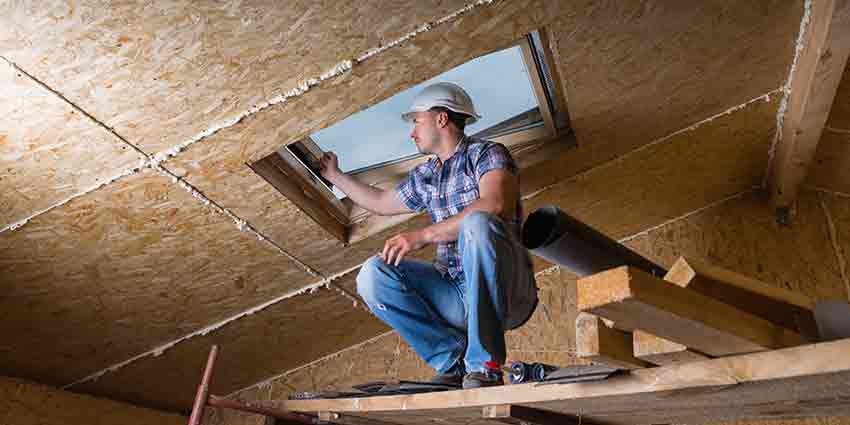
Home inspection does not require prior construction experience, although hands-on backgrounds can be helpful. Certification programs teach inspectors how to evaluate structural systems, electrical components, plumbing, roofing, HVAC, and safety concerns.
With proper education, these skills become practical and repeatable. Each inspection builds experience, and that experience quickly strengthens confidence.
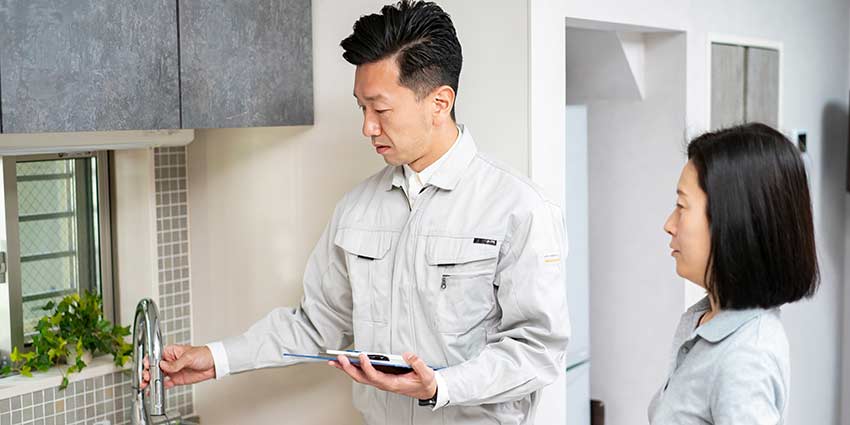
Education programs help students learn what to look for and how to explain their findings clearly to clients.
A Career That Grows With Experience
One of the strongest reasons to become a certified home inspector is long-term growth. Inspectors can expand into specialized services, increase efficiency, and build strong professional networks over time.
As experience grows, so does earning potential and scheduling flexibility. Many inspectors appreciate that success comes from skill and consistency rather than constant self-promotion.
Growth in this field is steady and earned.
Why Certification Matters
Certification is not just a formality. It demonstrates professionalism, credibility, and commitment to industry standards. Clients, agents, and insurers all value inspectors who have completed recognized training and meet state requirements.
Strong certification programs focus on understanding systems, reporting clearly, and operating ethically. That foundation protects both the inspector and the client.
Education is what turns interest into a career.
A Practical Path Into the Real Estate Industry
For those who want to work in real estate without sales pressure, home inspection offers a meaningful alternative. You remain involved in transactions while maintaining independence and objectivity.
It is a career built on knowledge, trust, and service, because these qualities never go out of demand.
Choosing the Right Education Makes a Difference
Becoming a certified home inspector starts with choosing education that is clear, thorough, and practical. Programs that focus on real-world understanding help students transition smoothly from training to working professionals.
Schools like LEAP Orlando focus on clear communication and building confidence. They help students get ready for certification and succeed in their careers.
A Career With Purpose and Stability
Becoming a certified home inspector means taking on a role that helps buyers. It supports transactions and adds value to real estate.
It’s a career based on trust, skill, and consistency. For many professionals, it’s the right step toward independence and job satisfaction.