
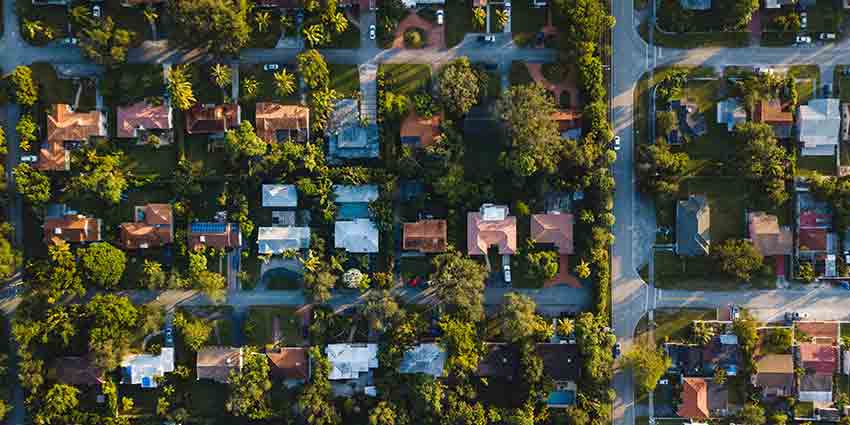
When buyers start asking questions about a neighborhood, some are easy to answer.
- “How far is this from downtown?”
- “Is there a grocery store nearby?”
- Then you get questions like:
- “Is this a safe neighborhood?”
- “Are the schools good?”
- “Would you live here?”
Those are a little different. You want to help, but you also don’t want to make a decision for your buyer or give an opinion that could create a Fair Housing issue.
So what do you say?
Find Out What They’re Really Asking
If someone asks, “Is this a good neighborhood?” there’s nothing wrong with asking what they mean. Try “What are you hoping to have nearby?”
Now you might find out they’re trying to stay within 20 minutes of work. Or they want to be close to their parents. Maybe they like being able to walk to restaurants.
That’s much easier to help with than deciding whether a neighborhood is “good.” Once you know what they’re looking for, you can help them find the information they need.
You Don’t Have to Give Every Area a Review
You’ll probably have opinions about different parts of town, especially once you’ve been working in real estate for a while. Keep in mind that your buyer may look at things differently.
A neighborhood you wouldn’t choose for yourself could be exactly what someone else wants. And something you love about an area may not matter to your client at all.
Instead of saying, “Oh, that’s a great neighborhood,” talk about what you actually know.
If they want a short commute, look at the distance. If they want to be close to a certain part of town, pull up the map. If they’re concerned about home prices, show them what’s selling nearby.
Give them information they can use and let them form their own opinion.
“Is This Area Safe?”
You’re going to hear this one, and you don’t need to give the neighborhood your own safety rating. A better response might be:
“If safety is something you want to research, I can show you where to find local crime information so you can take a look yourself.”
Current guidance from the National Association of REALTORS® says agents can provide objective crime information from reliable sources. The key is doing it consistently and not using the information to push a buyer toward or away from a neighborhood.
That’s a much better position to be in than telling someone, “I wouldn’t worry about this area,” based on your own experience.
When They Ask About Schools
Schools can put you in a similar conversation. Your buyer may ask, “Are the schools here good?” Instead of giving them a yes or no, find out what they’re looking for.
Maybe there’s a particular program they care about. Maybe they want to know which school serves the property. Maybe they want to compare several schools themselves.
Point them toward the school district and other reliable resources where they can do that research.
NAR’s current guidance also allows real estate professionals to provide objective school information from reliable sources, as long as it’s being done consistently and not being used to steer buyers.
You can help them find the information without deciding which school is “best” for their family.
Tell Them to Go Look Around
You can learn a lot about an area just by spending some time there. If a buyer really likes a house, encourage them to come back to the neighborhood on their own.
- Drive the route to work.
- Stop at the grocery store.
- Grab lunch nearby.
- Come back on a Saturday.
See what the drive is like at 5:30 in the afternoon. You can say, “You like the house. Now spend a little time around here and see how the area feels for your day-to-day life.”
That experience may answer questions you can’t answer for them.
Give Buyers the Same Kind of Help
If one buyer asks you about schools and you give them a list of resources, you should be prepared to provide that same kind of help when another buyer asks.
The same goes for crime information and other neighborhood research. Having a few reliable resources ready makes those conversations easier.
Florida Realtors also recommends directing buyers to community resources when questions come up instead of making neighborhood choices for them.
You don’t need a completely different answer every time someone asks the same question.
Sometimes You Should Just Ask Your Broker
There will be moments when a buyer asks something, and you’re not sure how far you should go with your answer.
Don’t wing it… You can tell them, “Let me check on that and get back to you.” Then call your broker.
This is especially important when you’re new. You’ll hear questions in the real world that weren’t phrased exactly the way they were in your textbook.
After you’ve dealt with a few of them, you’ll start recognizing when a simple question could turn into a Fair Housing issue.
This Is Where Good Training Helps
Learning Fair Housing rules is one thing. Having a buyer ask you one of these questions while you’re standing in the kitchen of a house you’re showing is another.
That’s why continuing education can be useful even after you’ve passed your licensing exam.
At LEAP Real Estate Academy in Orlando, you can learn from instructors who have actually worked with buyers and sellers. Ask them about these conversations. Find out what they’ve been asked and how they responded.
Those real examples can stick with you a lot longer than memorizing another definition.
You don’t have to know everything about every neighborhood in Orlando. Know your market, have good resources available, and get comfortable saying, “Let’s find that information,” when your buyer asks something they should ultimately decide for themselves.
Keep learning with LEAP Real Estate Academy and be better prepared for the conversations that come with working with real clients.